Written by IDN Natura. Published on December 01, 2025.
Gayo Coffee is more than just a cup of Arabica. It is a living story carried by the people of the Aceh Highlands. Moreover, it holds history, tradition, flavor, and a connection between the land and its farmers. From smallholder farms in the cool mountains to roasteries across the world, Gayo Coffee has traveled far while staying true to its roots.
In this article, we explore the journey: its history, characteristics, cultural impact, and why Gayo Coffee has become one of Indonesia’s most respected origins in the global market. Through this story, you’ll also see how IDN Natura proudly brings Gayo Coffee to the world.
The Early History of Coffee Cultivation in Gayo
The story of Gayo Coffee began in the early 1900s, when the Dutch introduced Arabica coffee plants to the upland regions of Aceh. Since then, the volcanic soil, high elevation (1,200–1,800 masl), and balanced rainfall created ideal growing conditions. Over time, coffee became deeply rooted in the lives of local communities.
Historical initiatives and agricultural programs from Indonesia’s Ministry of Agriculture supported improved cultivation practices, ensuring Gayo remained one of the most productive Arabica regions.
(Reference: coffee cultivation in Indonesia – https://ditjenbun.pertanian.go.id/)
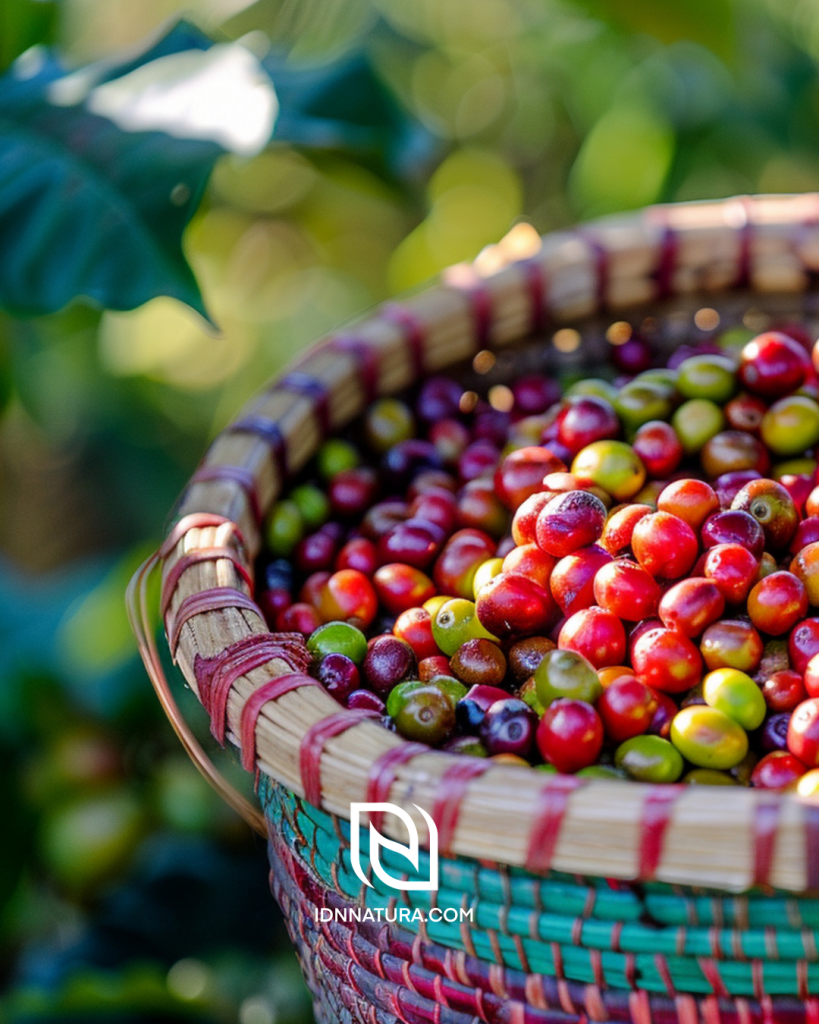
While methods and tools have evolved, many traditions remain unchanged. For example, farmers still handpick red cherries, manually sort beans, and sun-dry coffee on household patios. As a result, Gayo Coffee preserves its authentic identity and reflects the care passed down through generations.
Gayo’s coffee history isn’t just written in archives it lives through the hands of the people who nurture every tree.
From Smallholder Farms to the Global Coffee Market
Unlike large plantation models, Gayo Coffee is cultivated almost entirely by smallholder farmers with plots averaging 0.5–2 hectares. Because of this, every tree is treated with personal care, making quality a daily priority.
Gayo Coffee began attracting international attention in the 2000s. Once global roasters discovered its clean and balanced profile, the demand continued to grow. Today, Gayo Coffee is widely exported to:
- The United States
- Germany
- Japan
- South Korea
- Australia
- The Middle East
Consequently, what started in quiet mountain villages has now reached cafés and roasteries around the world.
What Makes Gayo Coffee Unique? Varieties, Profile & Terrain
The Gayo Highlands produce several notable Arabica varieties such as Ateng, Gayo 1, Gayo 2, Timtim, and Bourbon lineage strains. These varieties are well-documented by World Coffee Research in their registry of Arabica coffee varieties and profiles (https://worldcoffeeresearch.org/), reinforcing Gayo’s genetic diversity.
Flavor Characteristics
- Body: medium to full
- Acidity: medium, clean
- Aroma: floral, herbal, sometimes spicy
- Flavor notes: chocolate, caramel, dried fruits, light citrus
- Aftertaste: long, smooth, and sweet
The cool microclimate and volcanic soil contribute to these sensory characteristics.
Social, Cultural, and Economic Impact on Local Communities
Coffee is not only a commodity in Gayo. It is the heart of the community.
Thousands of families rely on coffee as their main livelihood. Cooperative systems help farmers negotiate better prices and access export markets. Many communities participate in sustainability and fairness programs aligned with Fairtrade certification for coffee farmers (https://www.fairtrade.net/en.html), which improves income stability and workers’ welfare.
Culturally, coffee shapes traditions, hospitality rituals, and local identity. The Gayo Highlands are also celebrated for their serene landscapes and rich Acehnese culture. The Gayo Highlands and Aceh culture tourism board documents many of these traditions.
How the World Recognizes Gayo Coffee: Quality Standards and Reputation
Gayo Coffee is known worldwide for its clean cup and consistent quality. Many exporting cooperatives hold certifications such as Fairtrade, Organic, and Rainforest Alliance.
The Specialty Coffee Association sets the benchmark for sensory scoring and specialty-grade standards (https://sca.coffee/). Gayo coffees routinely score above the specialty threshold of 80 points, especially when processed with care.
Export buyers often recognize Gayo for:
- Consistent flavor profiles
- Stable year-round production
- Clear grading (Grade 1 & Grade 2)
- Ideal moisture levels (11–12%)
- Accurate screen sizing
- Improved traceability systems
This combination makes Gayo one of the most respected single-origin coffees from Indonesia.
Specialty Coffee, Processing Methods, and Brewing Recommendations
The specialty coffee movement has inspired Gayo farmers to innovate their post-harvest processing methods. The result is a diverse range of flavor experiences.
Processing Methods in Gayo
- Washed: bright, clean, citrusy
- Semi-washed (Giling Basah): bold, herbal, chocolatey. Signature Indonesian style
- Natural: fruity, sweet, with controlled funkiness
- Honey: floral and syrupy
- Anaerobic / fermentation-based: complex, experimental, specialty-focused
These methods produce diverse cup profiles, enabling roasters to feature Gayo beans in different product lines.
Best Ways to Brew Gayo Coffee
Each method reveals different sides of Gayo Coffee. For example:
- V60 / Kalita: highlights clarity, citrus, and sweetness
- French Press: brings out body and herbal/chocolate notes
- Espresso: ideal for washed and semi-washed lots
- Cold Brew: deep, sweet, and easy to drink
Recommended ratio: 1:15 to 1:16
Water temp: 92–94°C
Overall, Gayo Coffee is versatile enough for beginners and captivating enough for enthusiasts.
IDN Natura’s Role in Delivering Gayo Coffee to the World
As an Indonesian exporter, IDN Natura is committed to showcasing the best of Gayo Coffee with integrity, consistency, and transparency.
Our responsibilities include:
- Selecting coffee from farmers who maintain high-quality standards
- Conducting strict quality control (moisture, screen size, defects, uniformity)
- Meeting international buyer expectations across the USA, Germany, Japan, Turkey, and beyond
- Providing clear product traceability
- Ensuring professional communication and fast response times
Ultimately, for IDN Natura, Gayo Coffee is not just a product. It is a representation of Indonesian heritage and excellence.
A Cup That Connects Highlands to the World
Gayo Coffee is more than a single origin. It is a bridge between the quiet highlands of Aceh and coffee lovers across continents. Moreover, every cherry picked by local farmers carries generations of knowledge, resilience, and pride. Consequently, each cup brewed from these beans becomes part of a story rooted in tradition and dedication.
At IDN Natura, we believe that exporting this commodity means sharing this heritage with the world. Our work goes beyond delivering quality beans; it is also about honoring the communities that nurture them and ensuring their craft receives global recognition.
In addition, as the specialty coffee landscape continues to evolve, one thing remains constant: the distinctive character of Gayo Coffee and the people who preserve it. We remain committed to bringing that character. Pure, honest, and unforgettable to buyers who appreciate true origin.
If you’re seeking a dependable export partner or exploring Gayo Coffee for your roastery, we would be delighted to support your sourcing journey. Ultimately, the right partnership can elevate your coffee lineup with a single origin that already resonates globally.
To learn more, connect with IDN Natura and discover cupping profiles, availability, and export-ready lots your next standout single origin may very well come from the heart of Gayo.